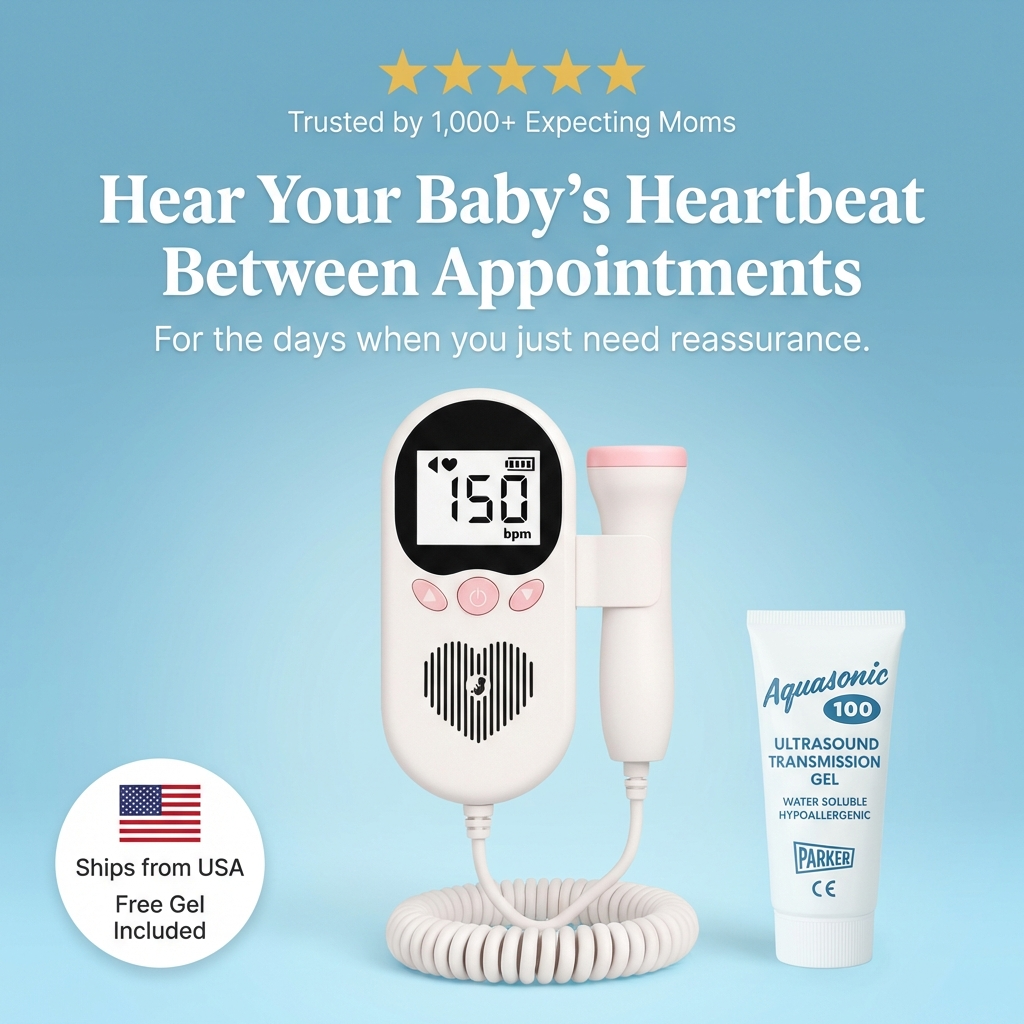
Pregnancy is a time filled with anticipation and an array of emotions. Among the most profound experiences is the first time expectant parents hear their baby”?s heartbeat. Traditionally, this emotional milestone takes place in a medical setting, but with advancements in technology, it is now possible to monitor a baby”?s heartbeat from the comfort of home using an at home doppler for pregnancy. This article delves into the details of using a home doppler, its benefits, and how to ensure safe and effective monitoring.
Understanding At-Home Dopplers for Pregnancy
An at-home pregnancy doppler is a handheld ultrasound device that allows expectant parents to listen to their baby’s heartbeat. It works by emitting sound waves that bounce off the fetal heart, creating echoes that the doppler translates into audible sounds.
How to Use an At-Home Doppler
Using an at-home doppler is relatively straightforward, yet it requires some practice to locate the fetal heartbeat effectively:
- Apply a generous amount of ultrasound gel to the abdomen to facilitate smooth movement of the probe and enhance sound conduction.
- Turn on the device and gently move the probe around the lower abdomen area.
- Be patient and adjust the angle of the probe to find the heartbeat, which can often be detected as early as 8-12 weeks into the pregnancy.
Benefits of Monitoring at Home
There are several advantages to using an at home pregnancy doppler, including:
- Reassurance: Regular access to the baby’s heartbeat can provide peace of mind, especially for parents who have previously experienced pregnancy complications.
- Bonding Experience: Listening to the heartbeat fosters a deeper connection between the parents and their unborn child.
- Convenience: Monitoring can be done at any time without the need for an appointment or travel to a medical facility.
Safety Considerations
While at-home dopplers are generally considered safe, it is essential to keep the following considerations in mind:
- Use the doppler in moderation to avoid unnecessary exposure to ultrasound waves.
- Do not rely solely on the doppler for fetal well-being; regular check-ups with a healthcare provider are crucial.
- If any concerns arise regarding the baby’s health, seek professional medical advice promptly.
Tips for Effective Use
Ensuring Accurate Results
To maximize the effectiveness of an at-home doppler, consider the following tips:
- Use the device in a quiet room to easily distinguish the fetal heartbeat from background noise.
- Start by locating the heartbeat in the lower abdomen, gradually moving higher as the pregnancy progresses.
- Be aware that the fetal heartbeat is typically faster than the mother’s, often ranging from 120 to 160 beats per minute.
When to Seek Medical Advice
While home dopplers offer valuable insights, they are not a substitute for professional medical care. Contact a healthcare provider if:
- The heartbeat cannot be located after several attempts, especially during the second or third trimester.
- There are any concerns about the pregnancy or fetal movements.
- Any unusual symptoms arise that require medical attention.
Conclusion
Monitoring a baby’s heartbeat with an at-home doppler can enhance the pregnancy experience by providing reassurance and fostering early parental bonding. However, it is crucial to balance home monitoring with regular medical consultations to ensure the health and well-being of both mother and baby. For those interested in exploring this option, more resources and information about acquiring a reliable at home doppler for pregnancy can be found online, offering an opportunity to embrace this innovative approach to prenatal care.