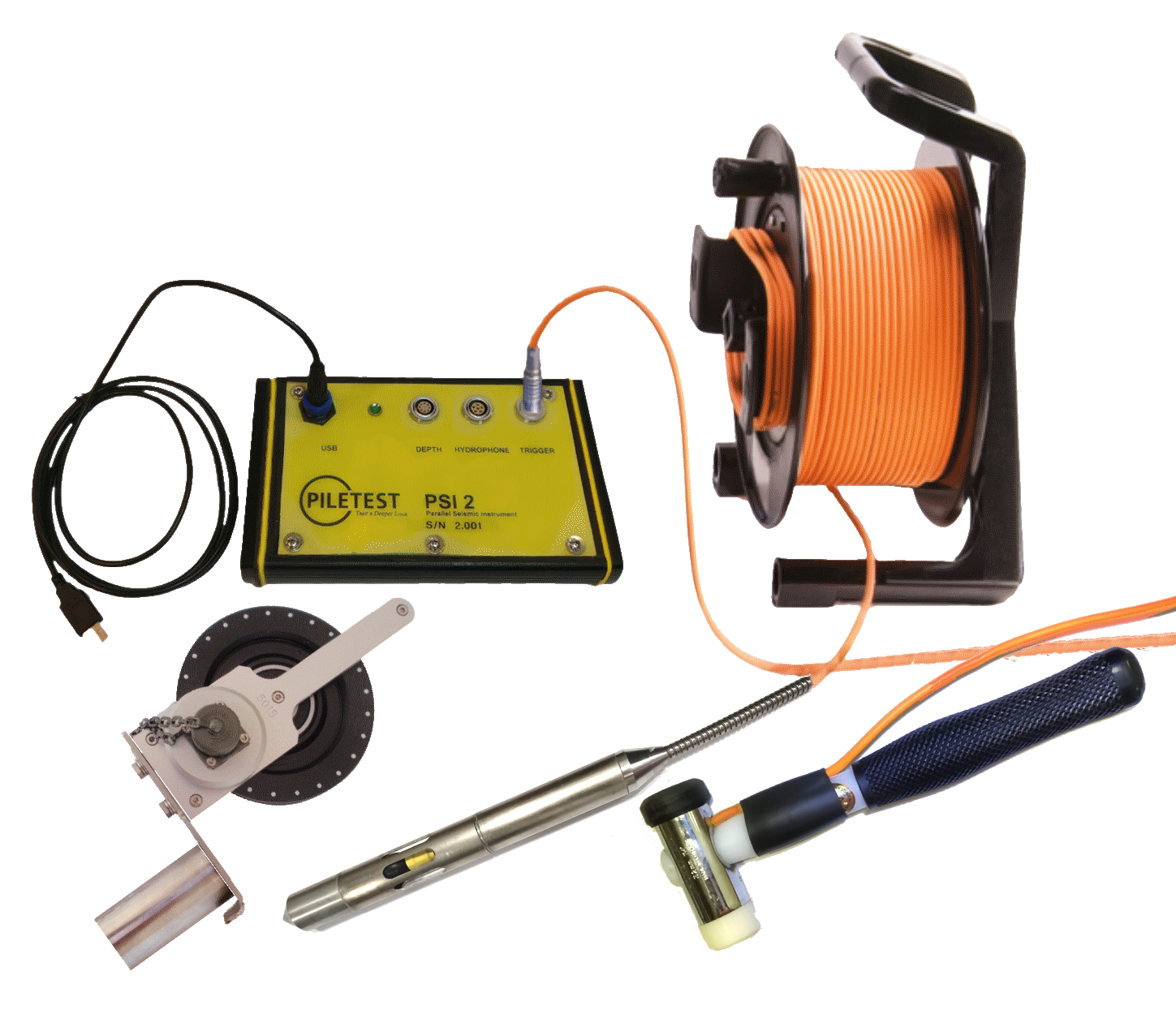
In the realm of geotechnical engineering, precision and accuracy are paramount, especially when it comes to evaluating the integrity and length of piles. The Parallel Seismic (PS) method stands out as a reliable non-destructive testing technique for determining pile length, particularly when the pile head is not accessible. This method is indispensable for ensuring the structural integrity of foundations, which is critical for the safety and longevity of engineering projects. By employing advanced technologies like the Parallel Seismic method, engineers can mitigate risks, enhance accuracy, and ensure compliance with regulatory standards.
Understanding Parallel Seismic Measurement
The Parallel Seismic (PS) method involves a systematic approach to measuring pile length. This technique utilizes seismic waves, which are generated at the surface and detected by a hydrophone or geophone located in a borehole parallel to the pile. The travel time of these waves provides valuable data on the pile’s depth and integrity.
Key Benefits of Parallel Seismic Measurement
- Non-destructive Testing: The PS method allows for the assessment of pile length without causing any damage to the structure.
- High Accuracy: By measuring the travel time of seismic waves, this method provides precise data on pile length.
- Versatility: Applicable to various pile types and conditions, making it a versatile tool in geotechnical investigations.
- Cost-Effective: Reduces the need for invasive testing methods, thereby saving time and resources.
To discover expert strategies here for using the PS method, insights into its specific applications and operational guidelines are essential.
Applications of PS Method in PSI Pile Length
The PS method is particularly useful in situations where the pile head is buried or inaccessible, such as in existing structures or in environments with high water tables. It has been successfully employed in numerous civil engineering projects, including:
- Bridge construction and maintenance
- Skyscraper foundation assessments
- Underwater pile evaluations
- Retrofitting and renovation projects
For those looking to learn about our tailored solutions to specific geotechnical challenges, understanding the applications of the PS method is crucial.
Enhancing Accuracy with Parallel Seismic Measurement
Accuracy in pile length measurement is critical for the safety and efficiency of construction projects. The PS method enhances measurement accuracy through:
Advanced Equipment and Techniques
- Use of high-resolution sensors to capture seismic wave data
- Integration of digital signal processing to reduce noise and enhance data clarity
- Advanced software for precise data interpretation and analysis
Engineers can explore advanced guides and tips on utilizing these technologies to improve measurement accuracy.
Conclusion
In conclusion, the Parallel Seismic method is an invaluable tool for the precise measurement of pile length, offering a non-destructive, accurate, and cost-effective solution. Its applications in various construction scenarios underscore its versatility and essential role in modern geotechnical engineering. As the industry continues to evolve, the importance of accurate pile length measurement cannot be overstated, and the PS method remains at the forefront of this critical task.
For more detailed information, find out more about this approach to ensure the integrity and success of engineering projects.