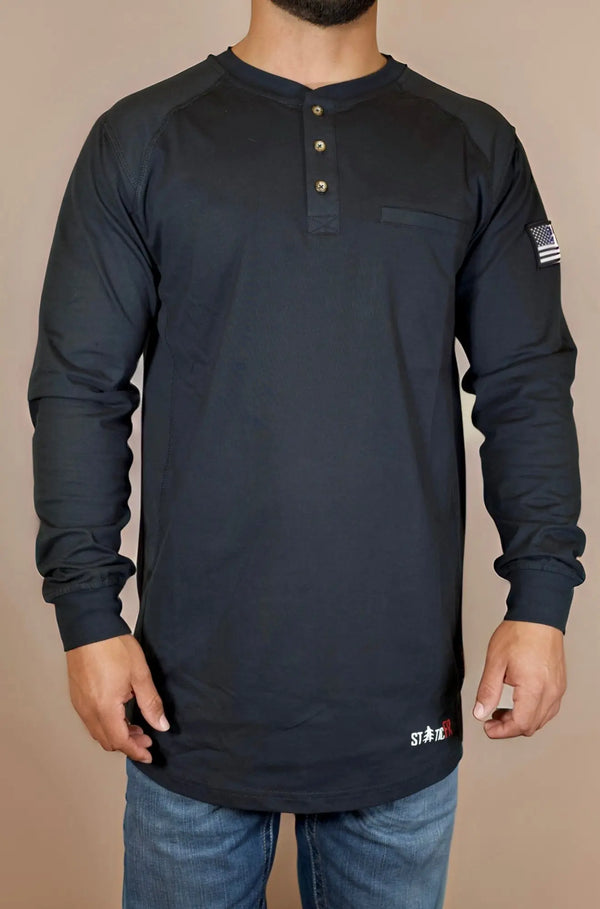
In environments where the risk of fire and heat exposure is prevalent, ensuring safety through protective clothing is paramount. Flame Resistant (FR) shirts are a crucial component in safeguarding individuals working in such hazardous conditions. These shirts are specially designed to resist ignition, prevent the spread of flames, and protect the wearer from potential burn injuries. As the demand for workplace safety continues to rise, understanding the importance and benefits of FR shirts becomes essential for both employers and employees.
Understanding FR Shirts
FR shirts are manufactured with materials that have flame-resistant properties, which means they are less likely to catch fire and will self-extinguish once the source of ignition is removed. This characteristic is vital in reducing burn injuries and improving the chances of survival during fire-related incidents.
Key Features of FR Shirts
- Durability: Made from high-quality materials, FR shirts are built to withstand harsh conditions and maintain their protective qualities over time.
- Comfort: Modern FR shirts are designed to provide comfort, allowing for better mobility and less fatigue during long work hours.
- Compliance: These shirts often meet national and international safety standards, ensuring that wearers are adequately protected.
Why Choose FR Shirts?
Choosing the right protective clothing is crucial in mitigating risks associated with fire and heat exposure. FR shirts offer several advantages that make them a preferred choice in many industries, including:
- Enhanced Safety: By wearing FR shirts, individuals reduce their risk of severe burn injuries, which can be life-threatening.
- Peace of Mind: Knowing that you are protected allows workers to focus more on their tasks and less on potential hazards.
- Cost-Effective: Investing in quality FR shirts can significantly reduce costs related to workplace accidents and medical expenses.
Learn about our tailored solutions to ensure maximum protection in hazardous environments by visiting this resource.
Industries Benefiting from FR Shirts
FR shirts are utilized across various industries where fire hazards are a concern. Some of these industries include:
- Oil and Gas: Workers are often exposed to flammable materials, making FR shirts essential for their safety.
- Electrical Utilities: Protection against arc flashes and thermal exposure is critical for electrical workers.
- Welding and Metalworking: Sparks and heat exposure necessitate the use of FR clothing to prevent injuries.
Discover expert strategies here to implement effective safety measures in your workplace.
Choosing the Right FR Shirt
When selecting FR shirts, it is important to consider factors that ensure maximum protection and comfort:
Material Composition
FR shirts are available in different materials, including cotton blends and synthetic fibers. Each material offers unique benefits in terms of comfort, breathability, and protection level. Find out more about this approach to selecting the appropriate material for your needs here.
Certification and Compliance
Ensure that the FR shirts meet industry standards and certifications for flame resistance. This guarantees that the clothing provides the necessary level of protection.
Fit and Design
Proper fit and design are crucial in ensuring that the FR shirts do not hamper mobility and provide adequate coverage. Explore advanced guides and tips on selecting the right fit for your workforce.
Conclusion
In conclusion, FR shirts are an indispensable part of personal protective equipment in environments where fire and heat hazards are present. By understanding their importance and selecting the right FR clothing, industries can significantly enhance workplace safety and protect their valuable workforce. For more information on FR shirts and to explore the latest in protective clothing, visit this collection.