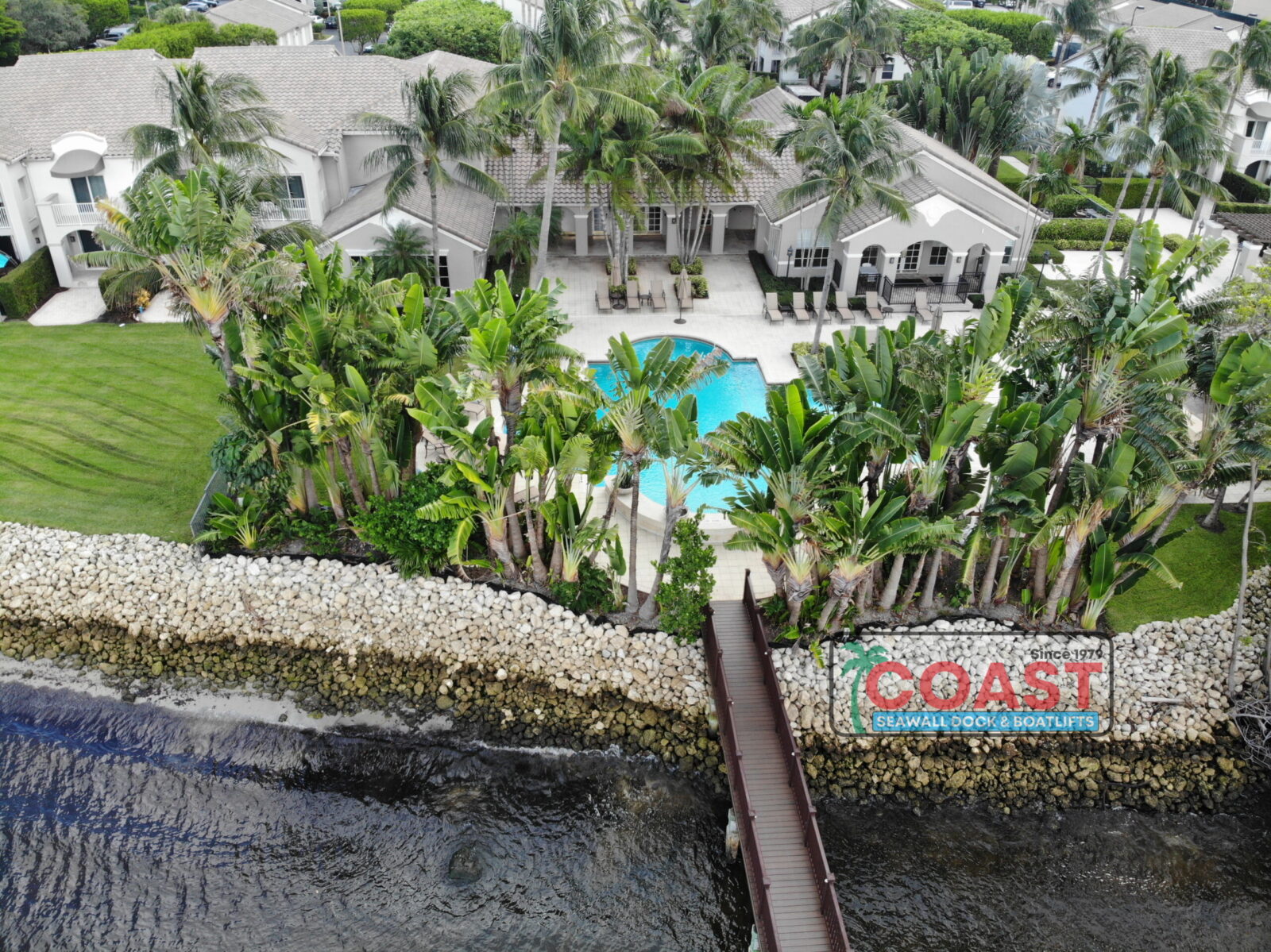
Coastal erosion is a significant concern for property owners and municipalities located near shorelines. The strategic construction of rock revetments offers a reliable solution to mitigate the damaging effects of erosion and protect valuable coastal properties. This guide delves into the critical aspects of rock revetment construction, exploring the design principles, materials used, and key considerations for effective implementation. For those looking to safeguard their coastal investments, understanding the intricacies of rock revetment construction is essential.
Understanding Rock Revetment
Rock revetments are sloped structures composed of large rocks or boulders, strategically placed to absorb and deflect the energy of incoming waves. These structures play a crucial role in preventing soil erosion and preserving the integrity of coastal landscapes. For an in-depth exploration of these methods, discover expert strategies here.
Key Components of Rock Revetment Construction
Design Principles
- Sloping Surface: The structure must have a sloped surface to effectively dissipate wave energy.
- Stability: Ensuring stability through proper anchoring and interlocking of rocks is paramount.
- Permeability: Allowing water to filter through the structure reduces hydrodynamic pressure.
Successful designs account for local wave conditions, tidal ranges, and the specific topography of the coastline. For those seeking detailed insights into design strategies, explore advanced guides and tips.
Material Selection
- Rock Size: Larger rocks are typically more stable and durable against wave action.
- Material Type: Granite and limestone are popular choices due to their strength and weather resistance.
- Filter Layer: A layer of smaller stones or gravel beneath the main structure enhances drainage and stability.
Choosing the right materials is crucial for the long-term success of a revetment. To learn about tailored solutions for material selection, find out more about this approach.
Implementation Considerations
Environmental Impact
Rock revetments can impact the natural habitat of coastal ecosystems. It is essential to conduct thorough environmental assessments and obtain necessary permits before construction. Balancing protection and ecological preservation is a delicate task, and customized strategies can be learned about through tailored solutions.
Cost and Maintenance
- Initial Investment: Consider the long-term benefits and initial costs of construction.
- Maintenance: Regular inspections and maintenance are essential to address shifting stones or damage from severe weather.
- Lifespan: Properly constructed revetments can last decades, offering significant returns on investment.
Evaluating costs and maintenance needs is an integral part of planning. For more on cost-effective strategies, find out more about this approach.
Conclusion
Rock revetment construction is a vital tool in the arsenal against coastal erosion. By understanding the principles of design, material selection, and implementation, stakeholders can effectively protect coastal properties and preserve natural landscapes. With expert guidance and strategic planning, rock revetments can offer a sustainable, long-lasting solution to coastal challenges. For further insights and professional advice, learn about our tailored solutions.