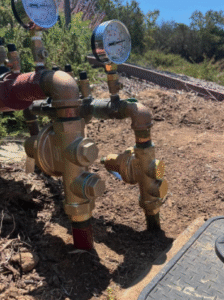
Ensuring the safety and quality of residential water supply is paramount, and a critical component of this process is backflow testing. Backflow, the unwanted reverse flow of water, can pose significant health risks if contaminants enter the potable water system. Proper testing and maintenance of backflow prevention devices not only safeguard public health but also comply with local regulations. Understanding the intricacies of backflow testing can simplify the process, making it manageable for homeowners who aim to maintain a safe water environment.
Understanding Backflow and Its Risks
Backflow can occur due to changes in pressure within the plumbing system. Two primary types of backflow can affect residential properties:
- Backsiphonage: This occurs when there is a significant drop in water pressure, often caused by a mainline break or high demand elsewhere in the system. This can lead to contaminants being drawn back into the water supply.
- Backpressure: This happens when the pressure in the system exceeds the pressure in the water supply line, pushing potentially contaminated water back into the drinking water system.
Both scenarios highlight the importance of proper backflow prevention and regular testing. Discover expert strategies here to safeguard your water quality.
Steps to Simplify Backflow Testing
Identify the Right Backflow Prevention Device
Various types of backflow prevention devices are available, including air gaps, reduced pressure zones, and double check valves. Each type serves different needs and is suited for various levels of hazard. Understanding which device is applicable to your home is the first step. Learn about our tailored solutions to choose the right device for your property.
Regular Inspection and Maintenance
Routine inspection and maintenance of backflow prevention devices ensure they function correctly. It’s advisable to schedule annual inspections by a certified professional who can identify and address potential issues before they escalate.
Testing Procedures
Backflow testing typically involves:
- Shutting off the water supply to test the device without affecting the entire system.
- Checking for leaks and ensuring all parts are in good condition.
- Verifying the device passes pressure and flow tests to prevent backflow effectively.
Homeowners can explore advanced guides and tips for more detailed information on testing procedures.
Compliance with Local Regulations
Compliance with local regulations is not only a legal requirement but also a step towards ensuring community health. Many areas mandate regular backflow testing, and failure to comply can result in fines. It?s essential to stay informed about the specific requirements in your locality. Find out more about this approach to ensure compliance.
Conclusion: Making Backflow Testing Easy
Residential backflow testing doesn’t have to be daunting. By understanding the types of backflow, selecting the proper prevention device, and adhering to regular inspection and maintenance schedules, homeowners can ensure their water supply remains safe and uncontaminated. Access to professional resources and expert advice can further simplify this vital process. Homeowners are encouraged to stay proactive in their approach, keeping abreast of new developments and regulations. For more insights and professional guidance, explore advanced guides and tips available online.