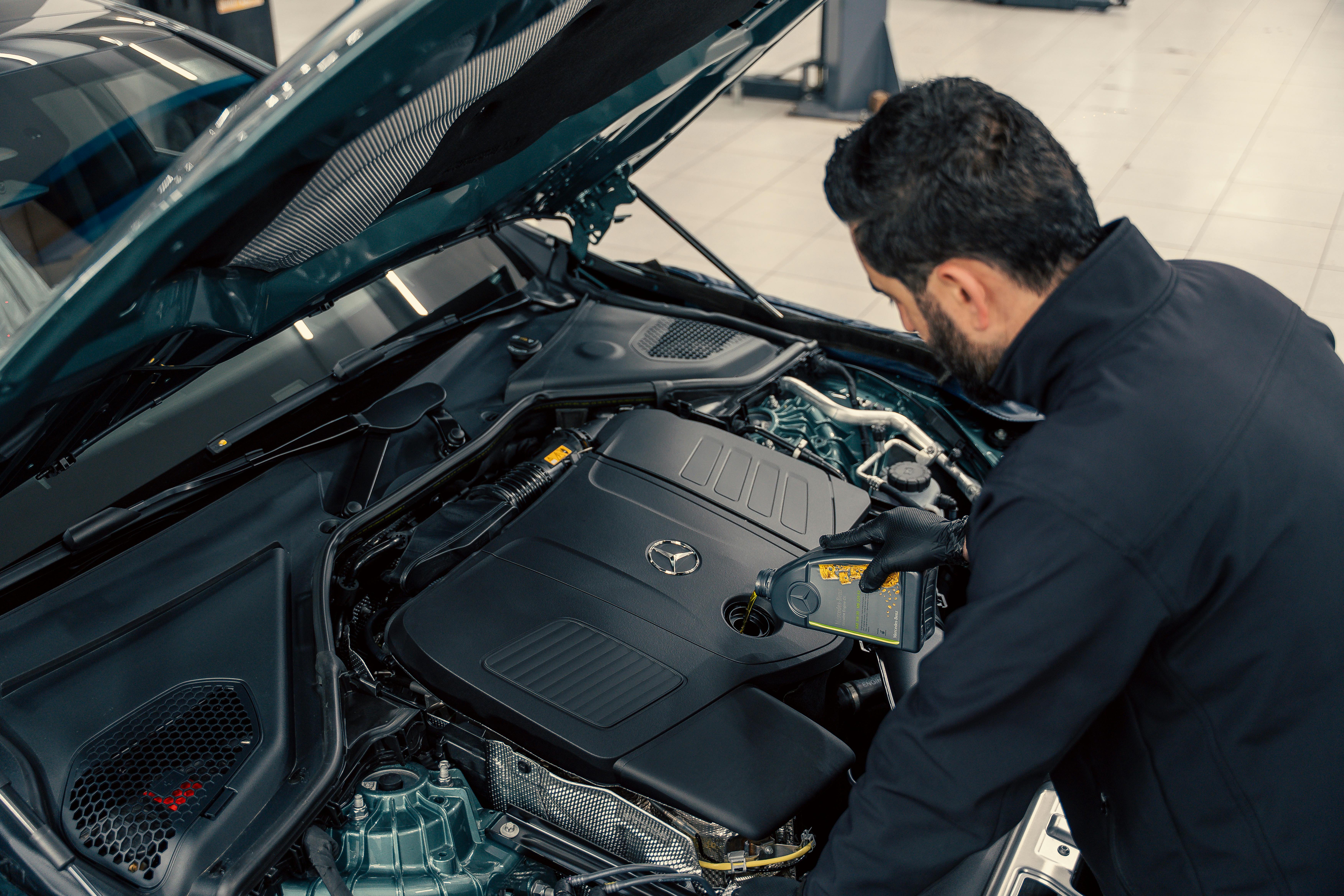
The health of a vehicle’s cooling system is crucial to its overall performance. A radiator flush service is a preventive maintenance procedure that plays a vital role in keeping the cooling system running efficiently. This service helps in removing contaminants and deposits that can accumulate over time, ensuring the radiator functions properly. A well-maintained radiator can prevent overheating issues, which might otherwise lead to severe engine damage. Understanding the importance of a radiator flush service can save vehicle owners from costly repairs and extend the life of their vehicles.
Understanding the Radiator Flush Process
A radiator flush involves draining the old coolant, cleaning the system with a flush solution, and refilling it with new coolant. This process is designed to remove build-up and debris that can impede coolant flow.
Steps Involved in a Radiator Flush
- Draining the old coolant from the radiator.
- Adding a radiator cleaning solution to remove deposits and rust.
- Flushing the system with water to clear out the cleaning solution and contaminants.
- Refilling the system with a fresh mix of coolant and water.
To gain a deeper understanding of this approach, explore advanced guides and tips on radiator maintenance.
Benefits of Regular Radiator Flushes
Regular radiator flushes offer several advantages that contribute to the longevity and performance of a vehicle’s engine.
Prevention of Overheating
A clean radiator ensures that the coolant circulates efficiently, helping to prevent overheating. This is crucial for maintaining optimal engine temperature and avoiding costly breakdowns.
Corrosion and Rust Protection
- Removes rust and scale deposits that can cause blockages.
- Prevents corrosion by using fresh coolant with anti-corrosive properties.
For more information on tailored solutions for vehicle maintenance, learn about our tailored solutions for keeping your vehicle in top condition.
Improved Cooling Efficiency
By ensuring the cooling system is free of contaminants, the efficiency of the radiator is maximized. This leads to better heat dissipation and improved engine performance.
When to Schedule a Radiator Flush
Knowing when to schedule a radiator flush is key to avoiding potential issues. It is generally recommended to perform a radiator flush every 30,000 miles or every two to three years, whichever comes first. However, some signs may indicate the need for an earlier service:
- Engine overheating or frequent temperature spikes.
- Coolant leaks or a drop in coolant levels.
- Discolored or sludgy coolant.
Discover expert strategies here to determine the best timing for a radiator flush based on your vehicle’s needs.
Conclusion
A radiator flush service is an essential component of routine vehicle maintenance. By ensuring the cooling system is free from contaminants and operating efficiently, vehicle owners can prevent overheating issues and extend the life of their engine. Regular maintenance and timely radiator flushes help maintain optimal engine performance and prevent costly repairs. To find out more about the benefits and process of a radiator flush, find out more about this approach to vehicle maintenance.