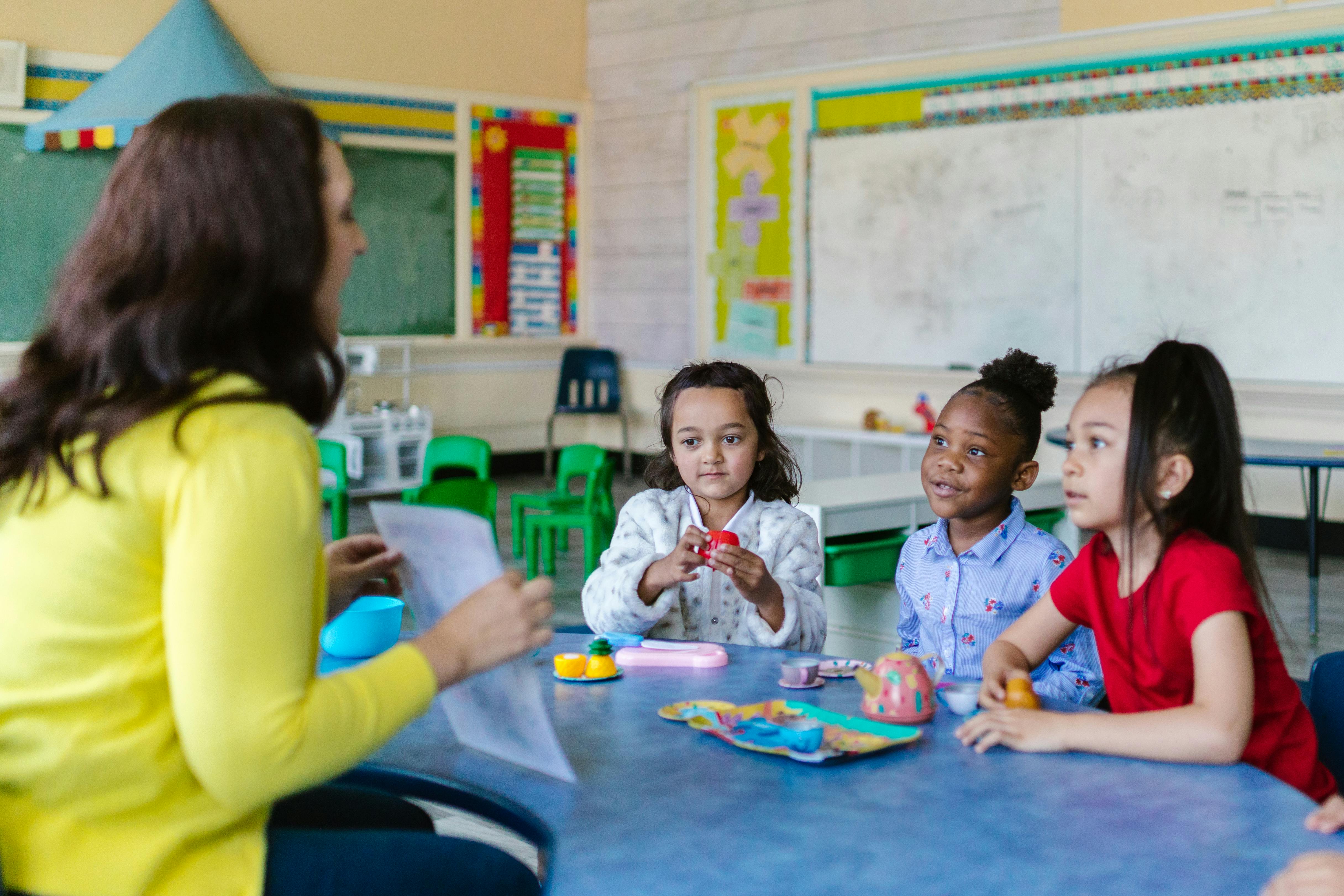
In recent years, child development programs have increasingly embraced play-based learning as a foundational approach to nurturing growth in young children. This educational strategy leverages the natural curiosity and creativity of children, allowing them to explore, discover, and understand the world around them. This approach is not only enjoyable but also critical in supporting cognitive, social-emotional, and physical development. By integrating play-based learning into child development programs, educators are able to create rich learning environments that cater to the diverse needs of children, fostering a love for learning and a solid foundation for future educational success.
The Importance of Play in Child Development
Play is often seen as the work of children, and for good reason. It is through play that children learn to engage with their environment, develop critical thinking skills, and build meaningful relationships. Play-based learning is essential because it:
- Encourages cognitive development by allowing children to experiment with problem-solving.
- Promotes social skills as children interact with peers and adults.
- Enhances physical development through activities that improve motor skills.
- Fosters emotional resilience by providing a safe space to express and manage emotions.
To delve deeper into the benefits of play in child development, discover expert strategies here.
Implementing Play-Based Learning in Programs
Creating an Engaging Environment
For play-based learning to be effective, the environment must be conducive to exploration and creativity. This involves:
- Designing spaces that are flexible and adaptable to various activities.
- Incorporating diverse materials and resources that stimulate curiosity.
- Ensuring safety while allowing for risk-taking and experimentation.
- Integrating indoor and outdoor play areas to offer varied experiences.
By crafting such environments, educators can significantly enhance the learning experience. Learn about our tailored solutions for creating impactful educational spaces.
Role of Educators in Play-Based Learning
Educators play a pivotal role in facilitating play-based learning. Their responsibilities include:
- Observing children to understand their interests and developmental stages.
- Guiding play without directing it, allowing for child-led exploration.
- Encouraging children to reflect on their experiences and articulate their thoughts.
- Collaborating with parents to extend play-based learning beyond the classroom.
For educators looking to enhance their skills in play-based learning, explore advanced guides and tips that can support their professional development.
Challenges and Solutions in Play-Based Learning
While play-based learning offers numerous benefits, implementing it effectively can present challenges. Common issues include balancing play with structured learning, accommodating diverse needs, and ensuring adequate resources. To overcome these challenges:
- Adopt a flexible curriculum that integrates both play and traditional learning methods.
- Utilize inclusive practices to cater to children with varying abilities and backgrounds.
- Seek community and parental involvement to enrich the program’s resources.
For more insights on tackling these challenges, find out more about this approach to ensure successful implementation.
Conclusion
Play-based learning stands as a cornerstone of effective child development programs. By recognizing the value of play, creating engaging environments, and equipping educators with the right tools, programs can significantly impact children’s growth and development. As the educational landscape continues to evolve, embracing play-based learning offers a pathway to nurturing well-rounded, inquisitive, and resilient children who are prepared for the challenges of the future. For those interested in transforming their approach to early childhood education, exploring the wealth of resources available can be an invaluable step forward.