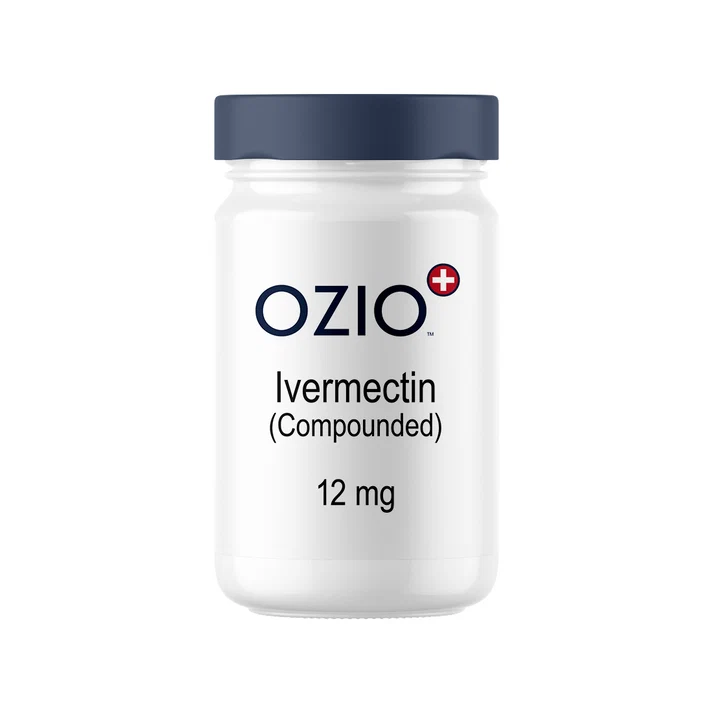
Understanding how a prescription medication is prepared can help patients make more informed decisions about their treatment. When researching compounded ivermectin for humans, it is useful to consider the medication’s purpose, formulation, strength, pharmacy standards, and the role of professional guidance.
💊 Understanding Ivermectin
Ivermectin is an antiparasitic prescription medication used for certain parasitic infections in humans. It works by affecting specific biological functions in susceptible parasites, helping control or eliminate them.
The medicine has established uses, but it is not suitable for every medical condition. A healthcare professional should determine whether ivermectin is appropriate based on the patient’s diagnosis and individual health circumstances.
Patients should avoid relying on general online information to diagnose themselves or select a treatment. Medical guidance can help ensure that the underlying condition is properly evaluated before medication is used.
🧪 What Makes a Medication Compounded?
Compounding involves preparing a medication according to a particular prescription or formulation requirement. A qualified pharmacy may prepare a customized formulation when a specific strength or dosage form is appropriate for the patient.
The finished compounded product may differ from a commercially manufactured version. Differences can involve inactive ingredients, dosage forms, preparation methods, or available strengths.
Because each formulation can have specific instructions, patients should follow the label supplied by their pharmacy and ask questions whenever they are uncertain about how the medication should be used.
📋 Understanding Ivermectin Strengths
Ivermectin can be prescribed in different strengths depending on the patient’s treatment requirements. A strength such as 12 mg identifies the amount of active ingredient contained in a particular dosage unit.
However, a medication strength does not automatically tell a patient how many units to take or how frequently treatment should be used. The appropriate regimen depends on individual clinical factors.
Healthcare professionals may consider:
- The condition being treated
- Body weight
- Age
- Medical history
- Current medications
- Allergies
- Treatment objectives
- Prescribed dosage form
Patients should follow the specific instructions provided for their prescription rather than applying dosage information from another person.
⚕️ Why a Healthcare Professional Should Guide Treatment
Prescription treatment should be based on an appropriate diagnosis and individual medical assessment. A healthcare professional can determine whether ivermectin is suitable and explain the prescribed treatment plan.
Medical guidance is especially useful when a patient takes other medications or has existing health conditions. Providing a complete health history helps the provider make a more informed decision.
If a patient is unsure about the amount, timing, or duration of treatment, the prescriber or pharmacist should be contacted before making any changes.
🔎 The Role of an Accurate Diagnosis
Symptoms alone do not always identify the condition causing them. Itching, skin changes, digestive discomfort, and other symptoms can occur with several different medical conditions.
Ivermectin is intended for specific parasitic conditions. Using it without an appropriate diagnosis may not address the actual cause of symptoms.
A healthcare professional can determine whether a parasitic infection is suspected and whether further evaluation or testing is necessary before treatment.
🩺 What Your Provider May Need to Know
Before beginning treatment, patients should provide accurate information about their health and medications. This information helps the healthcare professional assess whether ivermectin is appropriate.
Patients should mention:
- Prescription medications
- Over-the-counter products
- Vitamins and supplements
- Known allergies
- Previous medication reactions
- Existing medical conditions
- Other current treatments
Patients should also discuss any concerns about the formulation they have received. A pharmacist can explain the specific preparation and clarify questions about its use.
📦 Checking a Compounded Prescription
When receiving a compounded prescription, patients should review the pharmacy label before using the medication. The label provides important information about the preparation.
Details may include:
- Medication name
- Strength
- Dosage form
- Patient name
- Directions
- Quantity
- Pharmacy details
- Storage instructions
- Expiration or beyond-use date
If anything appears incorrect or unclear, the patient should contact the dispensing pharmacy before taking the medication.
🌡️ Proper Storage Matters
Compounded medications should be stored according to the instructions supplied by the pharmacy. Specific storage requirements may depend on the formulation and preparation.
Patients should generally keep the medication in its original labeled container and store it securely away from children and anyone who has not been prescribed it.
If medication becomes damaged, loses its label, or appears unusual, patients should ask the pharmacy whether it remains suitable for use.
⚠️ Possible Side Effects and Precautions
Ivermectin may cause side effects in some people. Possible effects can include dizziness, nausea, diarrhea, headache, or fatigue.
Individual responses can vary, so patients should review the information supplied with their prescription and discuss concerns with a healthcare professional.
If unusual or severe symptoms occur, appropriate medical advice should be sought. Patients should not attempt to manage concerning reactions by independently changing the prescribed amount.
🧴 Understanding Tablets and Capsules
A compounded ivermectin prescription may be prepared in a dosage form selected for the individual prescription. Tablets and capsules can differ in their composition and administration requirements.
Patients should use the dosage form supplied by the pharmacy as directed. Medication should not be crushed, split, opened, or otherwise altered unless a pharmacist or healthcare professional confirms that the change is appropriate.
If a patient receives a different dosage form than expected, the pharmacy should be contacted for clarification.
🌎 Accessing Medication in Different Locations
Prescription requirements vary depending on the country and region. Patients seeking medication in Canada, the United States, or another location should follow the relevant requirements for prescription medicines.
Obtaining medication through an appropriate pharmacy can provide access to proper labeling, preparation information, storage guidance, and professional assistance.
Patients should be careful when considering prescription medicines from unauthorized sources. Products obtained through uncertain channels may have questions surrounding their identity, strength, ingredients, quality, or storage.
📚 Using Online Information Responsibly
There is extensive information about ivermectin online, but not every source is reliable. Some websites may provide useful educational information, while others may contain unsupported or misleading claims.
Patients should prioritize information from qualified healthcare professionals, licensed pharmacies, recognized medical organizations, and reliable medication resources.
Online research can help patients understand basic terminology and prepare questions for a healthcare appointment. However, it should not replace individualized medical advice.
👨⚕️ Following Your Prescription
Once ivermectin has been prescribed, patients should follow the directions provided by their healthcare professional and pharmacy.
This includes following the prescribed strength, dosage form, timing, and duration. Patients should not increase the amount, take additional doses, or extend treatment without professional approval.
If treatment does not appear to produce the expected result, contacting the healthcare provider is the appropriate next step. The provider can determine whether further evaluation or a different approach is necessary.
🔐 Keep Prescription Medication Personal
Prescription medication should only be used by the person for whom it was prescribed. Ivermectin should not be shared with friends, relatives, or other individuals who experience similar symptoms.
Different people may have different diagnoses, allergies, health conditions, and medication requirements. Sharing prescription medication can therefore result in inappropriate treatment.
Keeping medication properly labeled and stored can help ensure that it remains available only to the intended patient.
✅ Making an Informed Treatment Decision
Compounded ivermectin may provide a specific formulation when a healthcare professional determines that it is appropriate for an individual prescription. Understanding the medication’s strength, dosage form, storage requirements, and instructions can help patients use it responsibly.
Patients should rely on an accurate diagnosis, obtain medication through an appropriate pharmacy, and follow the instructions provided by their healthcare professional. Those seeking treatment in Canada, the United States, or other locations should also follow applicable prescription requirements.
Most importantly, patients should not start, stop, increase, or modify ivermectin treatment based solely on information found online. Professional medical guidance remains essential for making safe and appropriate prescription medication decisions.