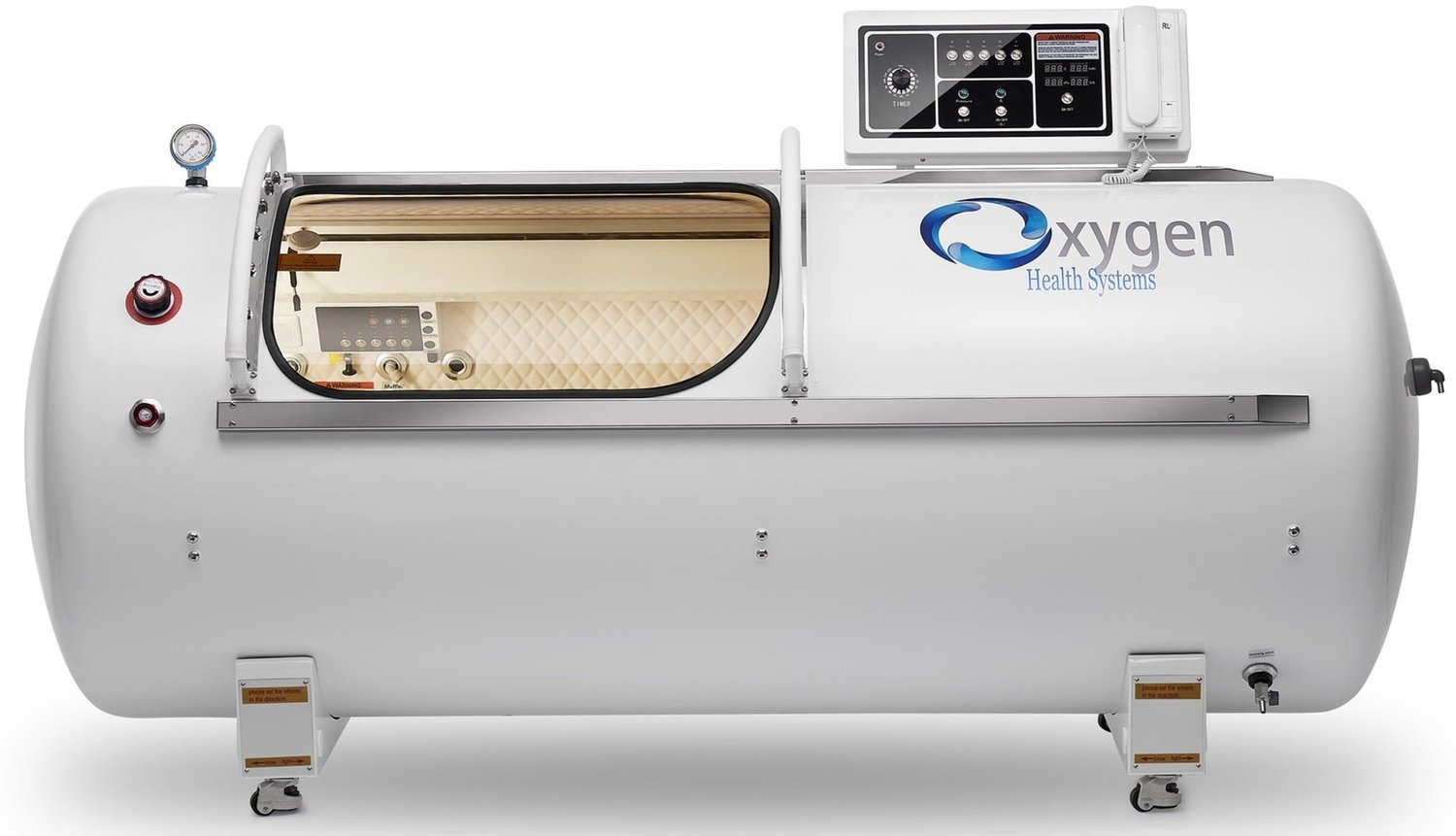
Lyme disease, a tick-borne illness, has long been a challenging condition to manage due to its complex symptoms and often chronic nature. Traditional treatments usually involve antibiotics, but an innovative approach gaining traction is Hyperbaric Oxygen Therapy (HBOT). This treatment involves breathing pure oxygen in a pressurized environment, which can enhance the body’s natural healing processes. As research continues to uncover the potential benefits of HBOT, it is increasingly being considered as a complementary treatment for Lyme disease.
Understanding Hyperbaric Oxygen Therapy (HBOT)
Hyperbaric Oxygen Therapy is a medical treatment that leverages the power of oxygen to promote healing. Patients are placed in a hyperbaric chamber where they breathe pure oxygen at higher than normal atmospheric pressure. This increases oxygen concentration in the bloodstream, which can aid in healing tissues, reducing inflammation, and fighting infections.
The Mechanism Behind HBOT
The effectiveness of HBOT for Lyme disease lies in its ability to enhance oxygen delivery to tissues. This can be particularly beneficial in Lyme disease patients, where chronic inflammation and reduced oxygenation are common issues. The increased oxygen levels can help:
- Reduce bacterial load by creating an environment less conducive to bacterial survival.
- Enhance the effectiveness of antibiotics, potentially shortening recovery time.
- Support immune function, aiding in the body’s natural defense mechanisms.
- Promote healing of damaged tissues and reduce inflammation.
For a deeper dive into how HBOT works and its applications, discover expert strategies here.
Potential Benefits of HBOT for Lyme Disease Patients
While research is still ongoing, initial findings suggest several key benefits of using HBOT as part of a Lyme disease treatment plan:
- Enhanced Healing: By improving the body’s oxygen levels, HBOT can accelerate the healing of tissues affected by Lyme disease.
- Reduced Inflammation: Chronic inflammation is a hallmark of Lyme disease, and HBOT may help mitigate this by promoting anti-inflammatory pathways.
- Improved Neurological Function: Neurological symptoms are common in Lyme disease, and the enhanced oxygenation can support brain health and function.
- Synergistic Effects with Antibiotics: HBOT has been observed to improve the efficacy of antibiotics, possibly leading to more effective treatment outcomes.
To learn about our tailored solutions for Lyme disease, consider exploring more about the integration of HBOT with other treatments.
Current Research and Clinical Trials
The medical community continues to explore the full potential of HBOT in Lyme disease treatment. Clinical trials and studies are ongoing, aiming to better understand its efficacy, optimal protocols, and long-term benefits. Some promising areas of research include:
- Longitudinal studies to evaluate the sustained benefits of HBOT.
- The impact of HBOT on co-infections often seen in Lyme disease patients.
- Optimal treatment durations and pressure settings for maximizing outcomes.
To stay updated on the latest findings, explore advanced guides and tips provided by experts in the field.
Considerations and Precautions
While HBOT presents promising benefits, it is important to consider individual patient circumstances and potential contraindications. Patients should consult with healthcare providers experienced in HBOT to determine if this treatment is suitable for their specific case. Key considerations include:
- Assessment of medical history and current medications to avoid any adverse interactions.
- Understanding potential side effects, such as ear discomfort or temporary vision changes.
- Ensuring treatments are conducted in certified facilities with trained professionals.
For more personalized advice and detailed information, find out more about this approach to Lyme disease treatment.
As the dialogue around Lyme disease treatments evolves, HBOT stands out for its potential to improve patient outcomes. By enhancing the body’s natural healing capabilities, it offers a complementary option that could transform the landscape of Lyme disease management.