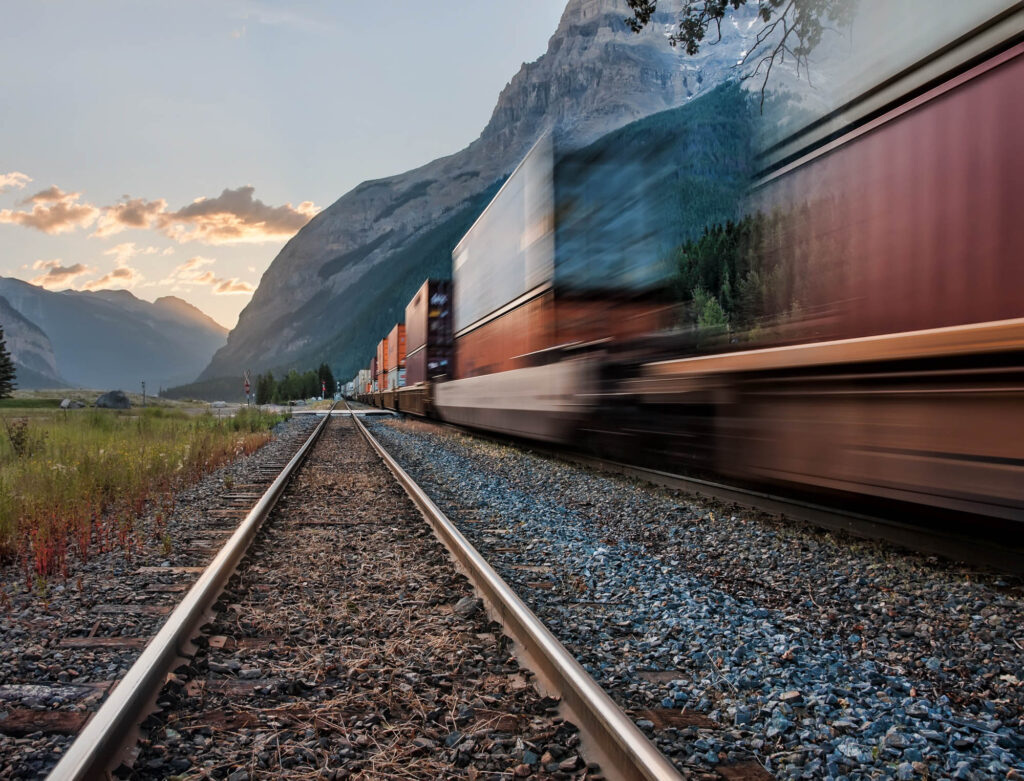
In the dynamic world of logistics and supply chain management, efficiency is key. As industries strive to optimize their operations, transloading rail solutions have emerged as a pivotal strategy. Transloading involves transferring goods from one mode of transportation to another, typically from rail to truck or vice versa, enhancing the flexibility and reach of logistics networks. By leveraging transloading, businesses can effectively streamline their supply chains, reduce costs, and improve service delivery. This article delves into the intricacies of transloading rail solutions, exploring their benefits, processes, and the role they play in modern logistics.
Understanding Transloading Rail Solutions
Transloading rail solutions are designed to bridge the gap between different transportation modes, allowing for seamless movement of goods. Here’s a closer look at what they entail:
- Flexibility: Transloading provides the flexibility to switch transportation modes based on cost, urgency, and destination logistics.
- Cost Efficiency: By optimizing routes and transportation methods, businesses can significantly reduce shipping costs.
- Improved Reach: Transloading enables access to regions not directly served by rail, expanding market reach.
- Efficient Asset Utilization: Maximizing the use of available assets by adapting to the most efficient mode of transportation for each segment of the journey.
The Transloading Process
The transloading process involves several key steps to ensure the smooth transfer of goods between transportation modes. This comprehensive approach maximizes efficiency and minimizes delays. Discover expert strategies here to optimize this process:
1. Arrival and Staging
Goods arrive at a transloading facility via rail and are staged for transfer. This step involves careful planning to ensure quick turnaround times and avoid bottlenecks.
2. Transfer Operations
- Unloading: Cargo is carefully unloaded from rail cars and prepared for the next mode of transport.
- Interim Storage: If necessary, goods are temporarily stored before being loaded onto trucks, ensuring seamless transition.
- Loading: Efficient loading of goods onto trucks for the final leg of their journey.
3. Dispatch and Delivery
Once loaded, goods are dispatched to their final destinations, ensuring timely delivery. The integration of technology and real-time tracking enhances the reliability of this stage. Find out more about this approach to improve your logistics operations.
Benefits of Implementing Transloading Rail Solutions
Adopting transloading rail solutions offers numerous advantages across various aspects of logistics operations. Here are some benefits:
- Reduced Transportation Costs: By optimizing transportation modes, businesses can achieve significant cost savings.
- Increased Operational Flexibility: The ability to switch transportation methods enhances adaptability to changing demands.
- Enhanced Supply Chain Resilience: Reduces dependency on a single mode of transport, mitigating risks and improving reliability.
- Environmental Benefits: Rail transport is generally more fuel-efficient, reducing the carbon footprint.
Challenges and Considerations
While transloading offers numerous benefits, there are challenges that need careful consideration:
- Infrastructure Requirements: Adequate facilities and equipment are essential for efficient transloading operations.
- Coordination and Timing: Precise coordination is necessary to ensure seamless transitions between transportation modes.
- Regulatory Compliance: Adhering to transportation regulations and safety standards is crucial.
These challenges can be mitigated through strategic planning and leveraging expert guidance. Explore advanced guides and tips to navigate these complexities effectively.
Conclusion
In a rapidly evolving logistics landscape, transloading rail solutions offer a strategic advantage by enhancing efficiency and flexibility. By understanding the processes and benefits, businesses can better position themselves to meet the demands of modern supply chains. Whether aiming to reduce costs, improve service delivery, or expand market reach, transloading presents a viable solution. Learn about our tailored solutions to ensure your logistics operations are optimized and future-ready.