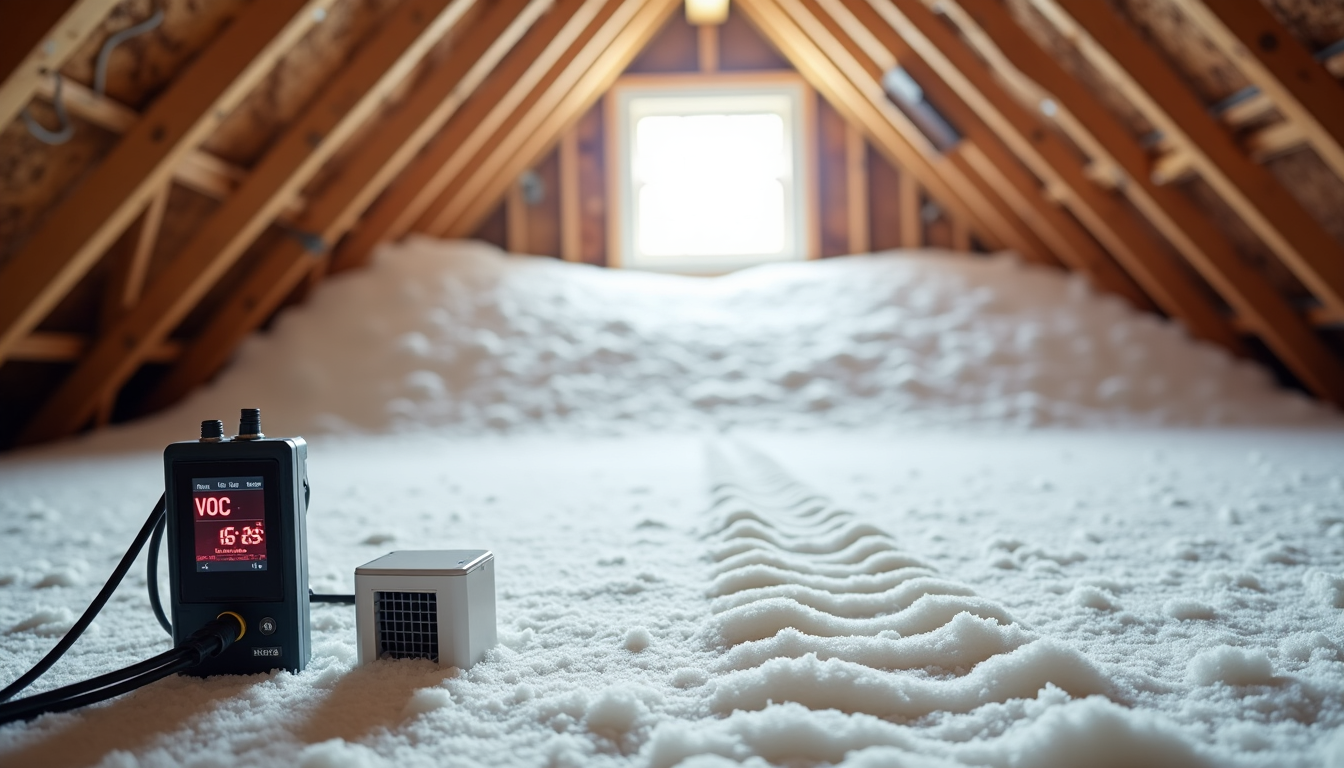
In the realm of modern construction and energy efficiency, insulation plays an indispensable role. Advanced foaming technology has emerged as a pivotal innovation, offering enhanced thermal performance, energy savings, and environmental benefits. The evolution of these technologies is reshaping how buildings are insulated, with a focus on both performance and sustainability. This article delves into the intricacies of advanced foaming technology, exploring its applications, benefits, and the future potential it holds for effective insulation.
Understanding Advanced Foaming Technology
Advanced foaming technology refers to the use of sophisticated materials and processes to create foam-based insulation products that provide superior energy efficiency. These technologies are characterized by:
- High thermal resistance, which significantly reduces heat transfer.
- Lightweight yet durable structures, ensuring longevity.
- Environmentally friendly formulations, minimizing ecological impact.
Discover expert strategies here for implementing advanced foaming solutions in various settings.
Applications of Foaming Technology in Insulation
Residential Buildings
In residential settings, foaming technology is utilized to insulate walls, roofs, and floors, enhancing comfort and reducing energy bills. Its application is particularly advantageous in retrofitting older homes, where traditional insulation may be lacking.
Commercial and Industrial Buildings
For commercial and industrial structures, advanced foaming technology provides robust insulation solutions that cater to the unique demands of large-scale operations. This includes maintaining consistent indoor temperatures and contributing to the building’s overall energy management strategy.
Learn about tailored solutions for commercial applications here.
Benefits of Advanced Foaming Technology
The advantages of utilizing advanced foaming technology in insulation are numerous and include:
- Energy Efficiency: By reducing the energy required for heating and cooling, foaming technology supports significant cost savings.
- Environmental Impact: Many foaming products are designed to be environmentally friendly, reducing carbon footprints.
- Versatility: These materials can be applied in various settings, from residential to industrial, adapting to specific insulation needs.
- Improved Indoor Air Quality: Foaming insulation can help prevent the ingress of pollutants, enhancing the indoor environment.
Explore advanced guides and tips on maximizing these benefits here.
The Future of Foaming Technology in Insulation
As technology progresses, the future of foaming insulation looks promising. Innovations are focusing on:
- Increased Efficiency: Developing materials with even higher thermal resistance.
- Sustainability: Creating products with reduced environmental impact through biodegradable and recyclable components.
- Smart Insulation: Integrating technology to provide real-time data on insulation performance.
Find out more about this approach here and how it is shaping the future of building insulation.
In conclusion, advanced foaming technology is revolutionizing the field of insulation by offering cutting-edge solutions that address both current and future challenges in energy efficiency and sustainable building practices. Its continued development is set to provide even greater benefits, making it a vital component in the quest for more efficient and environmentally conscious construction.