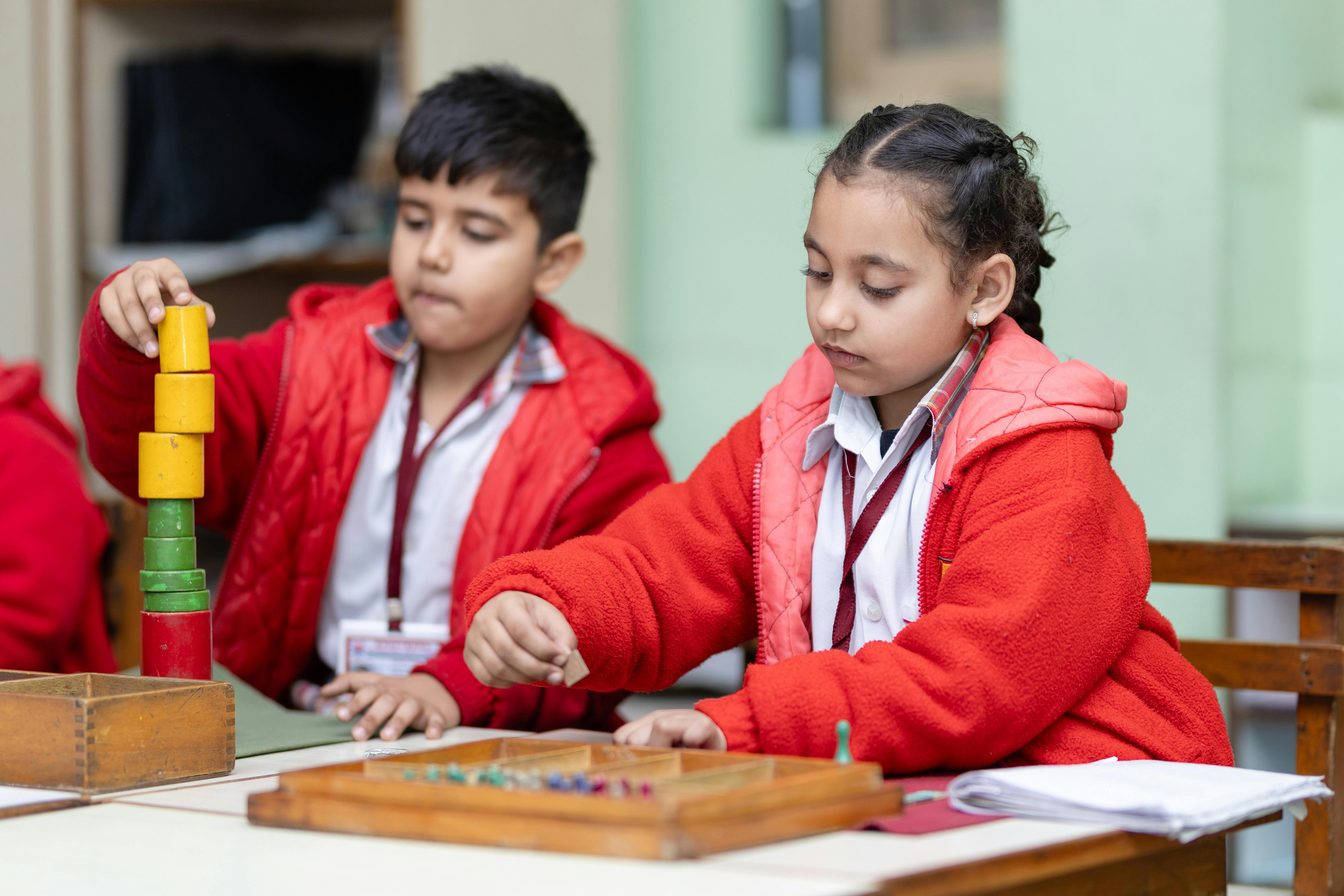
The Montessori method of education has long been celebrated for its unique and effective approach to fostering a child’s natural curiosity and desire to learn. Through a carefully curated environment and a focus on self-directed activity, Montessori classes encourage students to engage deeply with their subjects. This article delves into the elements that make elementary Montessori classes engaging and beneficial for young learners, providing insights for educational professionals and parents alike.
Understanding the Montessori Philosophy
The Montessori philosophy is centered around the idea that children learn best in an environment that encourages exploration and respects their individual learning pace. The approach is rooted in several key principles:
- Child-Centered Learning: Each child is viewed as an individual with unique interests and learning styles.
- Hands-On Learning: Children learn through doing, which enhances comprehension and retention.
- Mixed-Age Classrooms: This model encourages peer learning and nurtures a sense of community.
- Respect for the Child: By valuing each child’s perspective, educators foster a supportive and empowering learning environment.
These principles are integral to creating an engaging classroom that adapts to the needs of each student. Discover expert strategies here.
Designing an Engaging Classroom Environment
Creating an environment that stimulates learning is crucial in Montessori education. The classroom is designed to be a place of order and beauty, filled with materials that are accessible to children and tailored to their developmental stages.
Key Elements of the Classroom
- Prepared Environment: The classroom is structured to facilitate independent learning and exploration.
- Materials: Montessori materials are designed to be self-correcting, promoting self-assessment and confidence building.
- Freedom within Limits: Children have the freedom to choose their activities, fostering decision-making skills while staying within a structured framework.
Explore advanced guides and tips on creating a conducive learning environment here.
Role of the Montessori Educator
The educator in a Montessori classroom plays a unique role. Rather than acting as a traditional instructor, the teacher serves as a guide and facilitator, observing each child’s needs and interests to provide appropriate resources and support.
Facilitating Self-Directed Learning
- Observation: Teachers observe rather than dictate, allowing them to understand each child’s learning process and adapt their approach accordingly.
- Guidance: Educators provide subtle guidance, encouraging children to explore and discover on their own.
- Encouragement: Positive reinforcement and encouragement are key elements in promoting a child’s self-esteem and motivation.
Learn about our tailored solutions for educator training here.
Benefits of Montessori Education for Elementary Students
Montessori education offers numerous benefits, particularly for elementary students who are in a critical stage of cognitive and social development. Here are some of the key advantages:
- Enhanced Academic Skills: The Montessori method promotes deep understanding and mastery of subjects, rather than rote memorization.
- Social Development: Interaction in mixed-age groups helps children develop empathy, leadership skills, and effective communication.
- Independence and Confidence: By engaging in self-directed learning, students build confidence and a sense of responsibility for their education.
Find out more about this approach to elementary education here.
Overall, the Montessori method provides a holistic, child-centered approach to education that is uniquely suited to the needs of elementary students. By focusing on the individual and fostering a love for learning, Montessori classes create an engaging and nurturing environment where every child can thrive.