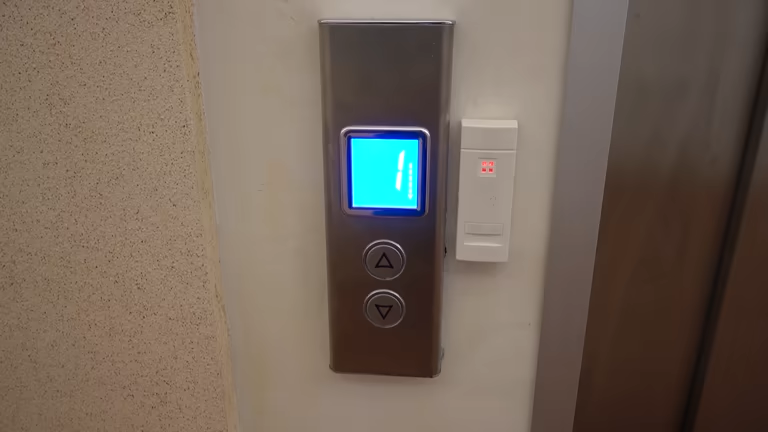
In the modern architectural landscape, elevators are indispensable for ensuring accessibility and convenience in multi-story buildings. Effective elevator management is vital for maintaining smooth operations, and this is where the elevator control panel plays a pivotal role. Serving as the nerve center for elevator operations, the control panel streamlines functionality, enhances safety, and boosts efficiency. Delving into the various functions of the control panel reveals how it simplifies the management of elevator systems and contributes to a seamless vertical transportation experience.
Understanding the Elevator Control Panel
The control panel for elevator is an integral component that governs the operational aspects of an elevator system. It is equipped with a range of functions designed to ensure the safe and efficient movement of passengers between floors. The control panel facilitates communication between the user and the elevator, enabling the selection of floors and the execution of specific commands.
Key Functions of the Elevator Control Panel
- Floor Selection: Users can select their desired floor using buttons or a touch screen interface.
- Emergency Controls: Includes buttons for emergency stops and alarms, enhancing passenger safety.
- Door Operation: Controls for opening and closing doors, often with additional functions for holding doors open or closing them promptly.
- Display Panels: Provides real-time information about the elevator?s current location and direction of travel.
- Voice Announcements: Auditory signals indicating floor levels or alerts, aiding passengers with visual impairments.
Enhancing Safety and Efficiency
Safety is paramount in elevator operations, and the control panel plays a crucial role in safeguarding passengers. Emergency stop buttons and alarm systems are standard features, allowing immediate response to any distress signals. Moreover, the integration of cutting-edge technology in control panels facilitates predictive maintenance, significantly reducing downtime and enhancing the overall efficiency of elevator systems.
Advanced Features for Modern Needs
- Touchless Operation: With advancements in technology, some control panels now offer touchless interfaces to minimize contact, thus improving hygiene.
- Energy Efficiency: Modern panels incorporate energy-saving technologies, optimizing power usage and reducing environmental impact.
- Remote Monitoring: Enables building management to monitor elevator performance remotely, ensuring timely interventions when necessary.
Integration with Building Management Systems
Elevator control panels are increasingly being integrated with comprehensive building management systems (BMS). This integration allows for centralized control and monitoring of all building operations, including HVAC, lighting, and security systems. Such connectivity not only enhances the operational efficiency of elevators but also contributes to the sustainable management of building resources.
Benefits of Integration
- Centralized Control: Streamlines operations by allowing building managers to control multiple systems from a single interface.
- Data Analysis: Provides valuable insights through data collection and analysis, facilitating informed decision-making.
- Improved Response Times: Enhances the ability to address issues swiftly, minimizing disruption to building operations.
Conclusion
The elevator control panel is a cornerstone of efficient elevator management. By simplifying operations and integrating advanced features, it ensures that elevators remain a reliable and safe mode of transportation within buildings. As technology continues to evolve, the functionality of control panels will advance, further enhancing the performance and sustainability of elevator systems. For those looking to explore the possibilities offered by modern control panels, reviewing the latest innovations in control panel for elevator technology is a worthwhile endeavor.